
NERC has introduced rules that let eligible solar owners send surplus power back to the grid and earn bill credits. If you already run solar, or you are about to buy a system, this changes what a good installation looks like.
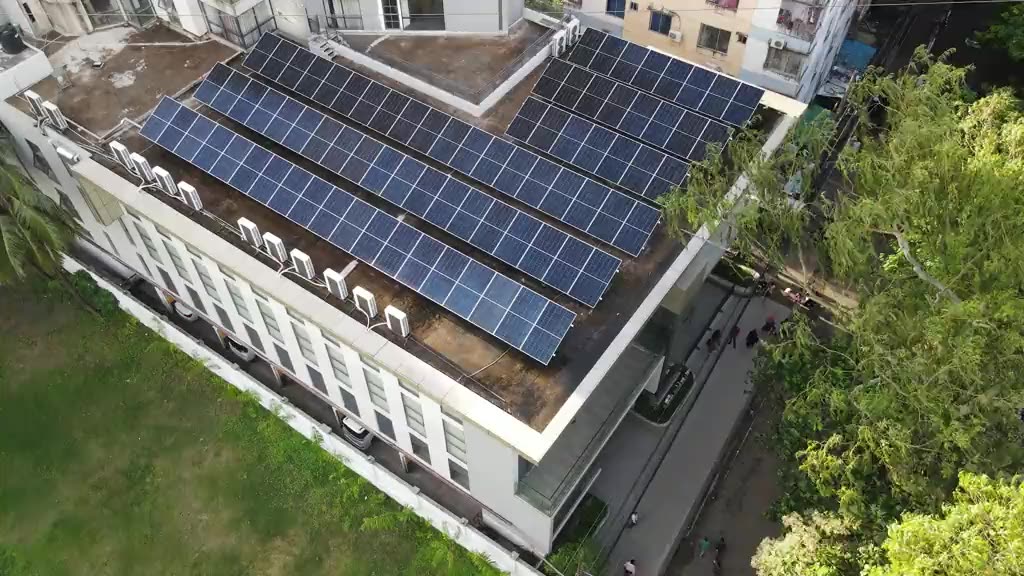
The Nigerian Electricity Regulatory Commission released its Net Billing Regulations 2026 in June, and has since announced that implementation has begun. The framework covers what the regulator calls prosumers: electricity customers who generate power, mainly from solar panels, use it themselves, and export the surplus to their distribution company.
Exported energy is credited at an export tariff set by NERC. Under the rules, monthly bills must show energy imported, energy exported, the tariffs applied, the credits earned and any credit balance carried forward. Unused credits roll over to later billing cycles, so a sunny month can offset a heavier one.
This is not automatic. Based on the regulator's notice, the path looks like this:
Eligibility, timelines and the current export tariff are set by the regulator and your distribution company, so confirm the details with them before you plan around any savings figure.
Nigeria has quietly become one of the biggest solar markets in Africa, with BusinessDay describing it in June as the continent's second largest after South Africa. Most of that growth has been off grid style backup: panels, batteries and an inverter that keeps the house running when the grid fails. Net billing rewards a different design, one that is tied to the grid and can export cleanly.
If there is a chance you will want to export later, it is cheaper to plan for it now than to rebuild the system:
One Lagos supplier's September 2026 price guide listed 5kVA hybrid inverter units at roughly ₦350,000 to ₦650,000, 550W panels at ₦115,000 to ₦165,000, and 5kWh lithium batteries at ₦995,000 to ₦2,148,000. The same guide noted that panel prices have crept up since early 2025 because of import duty and currency pressure. Treat these as unit prices from one source, not a quote: installation, protection gear, mounting and wiring come on top, and prices move.
Do not buy a system sized by guesswork or by a showroom package. Start with your real load, decide whether you want pure backup or a grid tied system that can earn credits later, and have it installed by a team that wires to standard and tests under load. A system built right the first time is the one that qualifies, and keeps working, years from now.