
The Lagos State Police Command has activated a CCTV surveillance centre covering Lagos Island, the Third Mainland Bridge and nearby waterways. It is good news for the city, but public cameras watch roads and bridges, not your front door.
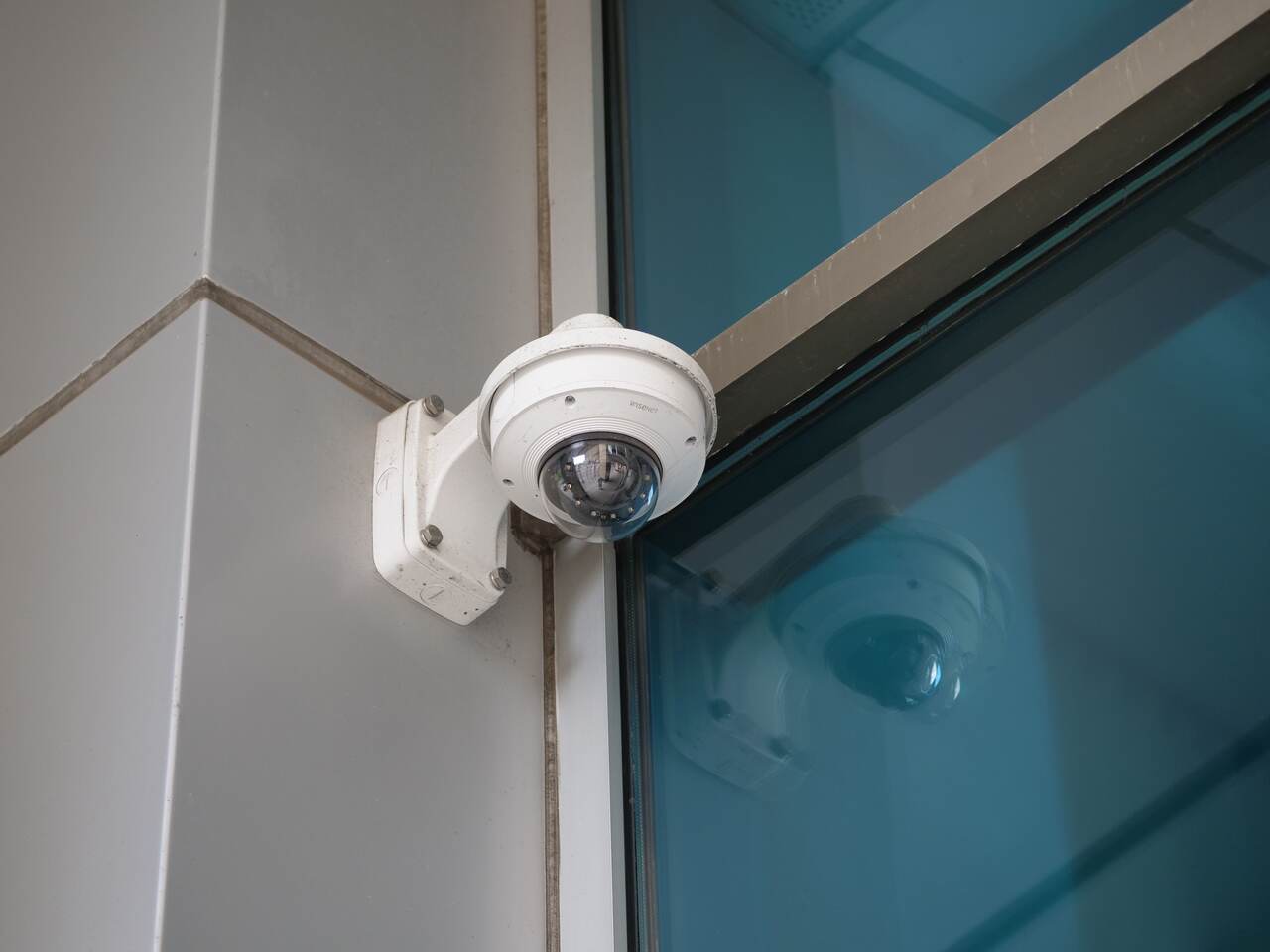
Police in Lagos reported that the command has activated a CCTV surveillance centre built and equipped by the federal government through the Ministry of Works. It monitors the Third Mainland Bridge, surrounding waterways and other strategic points on the island axis, and operates around the clock from a control room staffed by trained officers. Two operational vehicles were also handed over to help respond to incidents the cameras detect.
Lagos State has also outlined plans in its transport policy to place cameras at interchanges, bus stops and other transport points. The direction is clear: more of Lagos is going to be watched by public cameras.
Public systems are placed for traffic, infrastructure and major routes. They will not see who walked into your shop, who tampered with your gate at night, or which delivery rider left a parcel at your door. For that, you need cameras on your own property, placed on purpose.
Critics of public camera networks have also pointed out the difference between older analog setups and modern IP cameras, especially in low light. The same lesson applies at home and at work: a camera that records only shapes after dark is a weak witness.
Cameras that switch off when the grid fails are blind exactly when it counts. A small inverter or UPS on the camera circuit keeps the system recording through outages, and it is one of the most common gaps we find on site visits.
Treat public cameras as a bonus, not a plan. A short site survey will show where your blind spots are, how many cameras you really need, and what storage and power the system should have. Good coverage is designed, not bought off a shelf.