
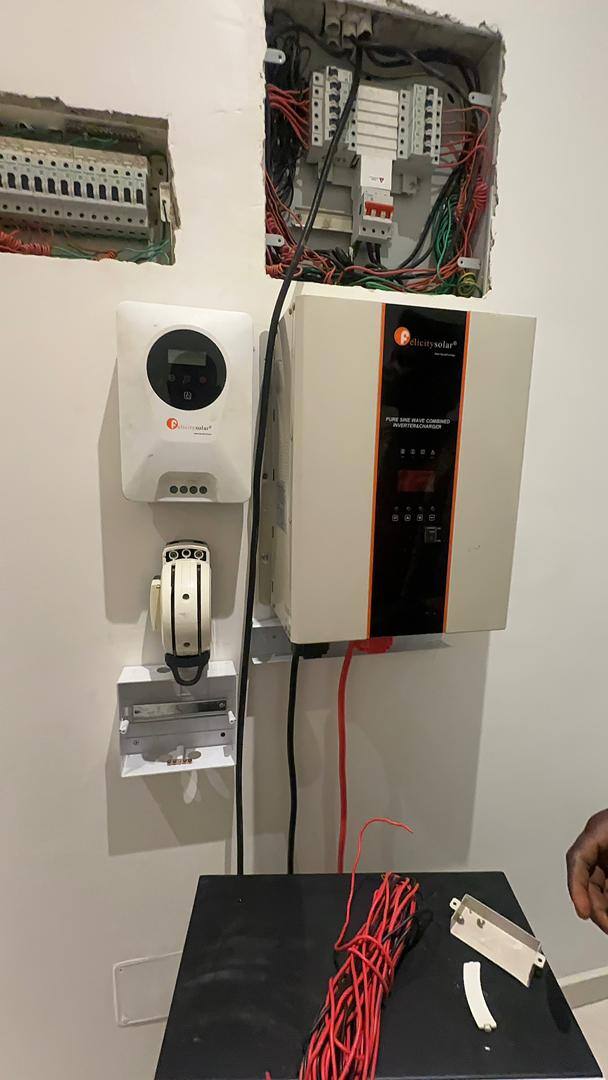
Almost every household or shop we visit already owns a generator, and the question is usually whether an inverter and battery system is worth adding, or replacing it entirely. The honest answer depends on how many hours of backup you actually need each day, so here is how the two compare where it counts.
A generator converts fuel directly into power every time it runs, and fuel prices in Lagos have not been kind to that math. An inverter and battery system instead stores power drawn from the grid or from solar panels, so its ongoing cost is whatever you already pay for electricity, plus the occasional battery replacement years down the line. For homes running backup power daily, this difference adds up quickly over a year.
A generator running for hours every evening is not just a cost, it is also noise, exhaust fumes near your compound, and in shared buildings, a source of friction with neighbours. An inverter system is silent, which matters more than people expect once they have lived with one.
Generators need oil changes, servicing and someone willing to keep fuel stocked. Inverter and battery systems need very little day to day attention once installed correctly, mainly an occasional check that connections are still tight and the battery is charging as expected. If you travel often or simply do not want another appliance to manage, this is a meaningful difference.
For very high power loads, such as running large air conditioning units or heavy equipment for extended periods, a correctly sized generator can still be more practical than scaling up a battery system to match. Many of our clients end up keeping a generator as a backup for extended outages, while relying on their inverter system for normal day to day power.
The most common mistake is buying an inverter sized for a showroom demo rather than an actual home's load. Before you buy anything, list what needs to stay powered during an outage: lights, fans, a refrigerator, chargers, maybe a television. That list determines the inverter capacity and battery size you actually need, not a generic package size.
Most households find that this combination costs more upfront than a generator alone, but pays for itself in fuel savings and fewer service calls within the first year or two of regular outages.